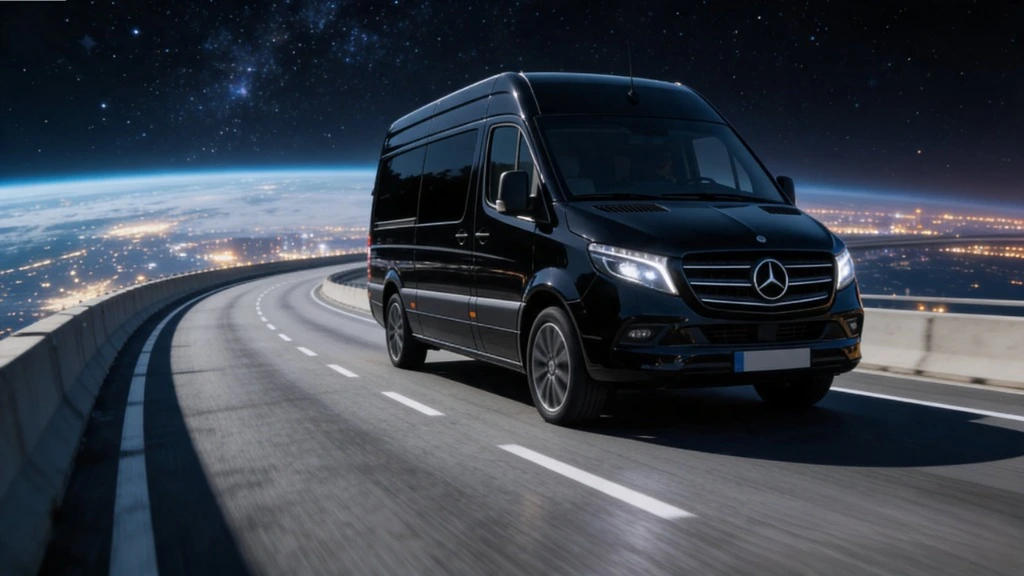
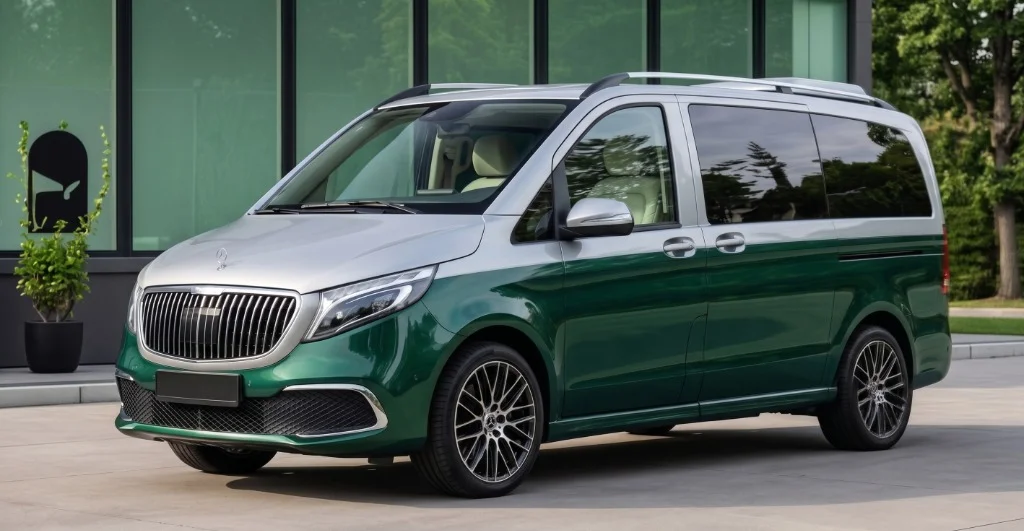
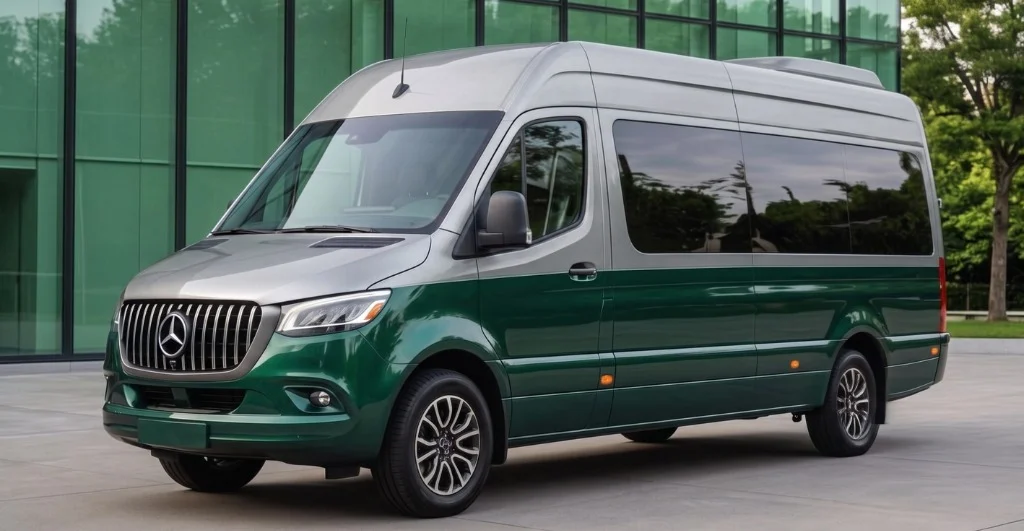
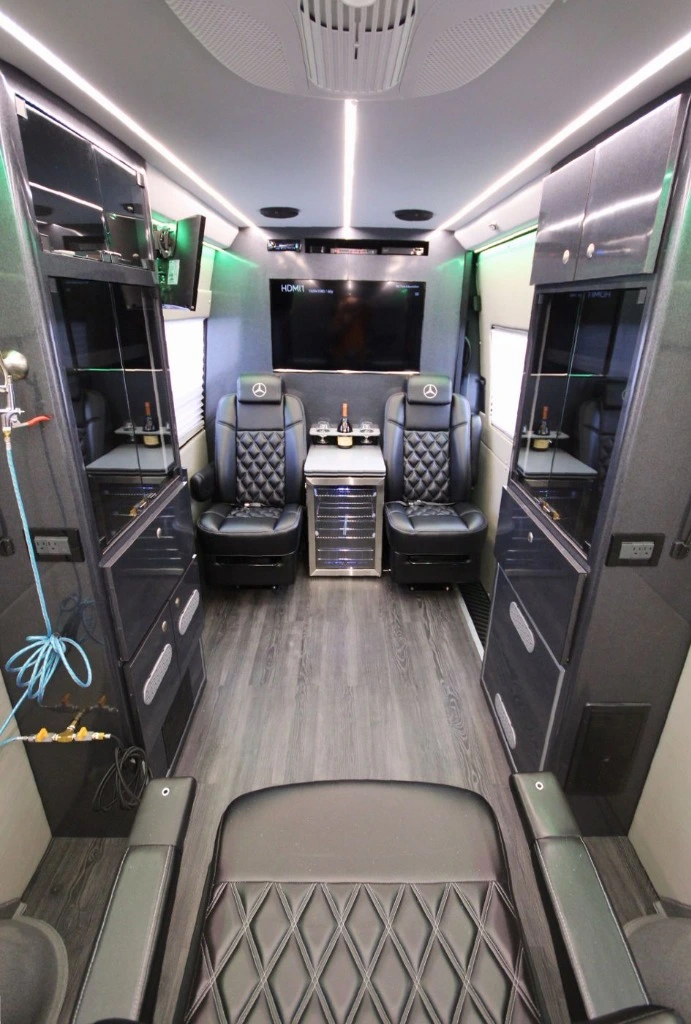
A Mercedes V-Class VIP conversion can transform the standard passenger cabin into a refined environment for chauffeur travel, executive use, private family transport or mobile business. For clients researching a Mercedes V-Class conversion in the UK, the strongest projects begin with the vehicle's real purpose, not with a list of accessories.
At Nochta Design, the V-Class is approached as one coordinated design and engineering project. Seating, passenger movement, technology, lighting, climate distribution, storage, service access and exterior character need to work together. The aim is a vehicle that feels complete rather than a standard cabin with luxury components added independently.
For UK-specific project information, see our VIP vehicle conversion approach for UK clients. You can also explore our Mercedes V-Class VIP projects and design possibilities.
What Is a Mercedes V-Class VIP Conversion?
A Mercedes V-Class VIP conversion redesigns the passenger environment around comfort, privacy, usability and personal specification. Depending on the project, the scope may include executive seating, bespoke trim, ambient lighting, multimedia, charging, privacy solutions, tables, storage and coordinated interior architecture.
The result can range from a discreet premium upgrade that preserves the original Mercedes-Benz character to a highly customised executive cabin with its own visual identity. The important point is that the different elements are planned as one system.
Mercedes V-Class Conversion UK: Start With the Use Case
UK clients may use the V-Class for chauffeur-driven travel, executive transport, airport transfers, family journeys or business use. Each application creates a different set of priorities.
A chauffeur-focused vehicle may place greater emphasis on rear passenger comfort, privacy, easy entry and exit, and luggage capacity. An executive vehicle may require working surfaces, charging, connectivity and display integration. A family-focused vehicle may need a more flexible cabin and practical storage.
This is why a bespoke V-Class conversion should begin with a clear brief covering passenger count, typical journey length, luggage requirements, privacy, technology and the balance between comfort and usable cabin space.
Design, Features and Bespoke Options
The V-Class supports a wide range of design directions, but the specification should stay disciplined. Typical areas of customisation can include seating configuration, side-panel architecture, ceiling treatment, floor design, lighting, console design, privacy features, multimedia, charging and selected exterior details.
Rather than treating every feature as an isolated upgrade, the better approach is to decide which functions genuinely support the intended use of the vehicle. This creates a cleaner design, avoids unnecessary weight and complexity, and makes the cabin easier to use.
Material and finish choices are part of that wider design language. Leather, Alcantara, matte wood, piano black, carbon-effect surfaces and restrained metallic accents can all be used, but the combination should support one coherent visual direction rather than compete for attention.
Executive Seating and Cabin Ergonomics
Seating is central to an executive V-Class conversion, but seat specification alone does not determine comfort. Legroom, armrests, tables, consoles, doors, side trims and passenger movement all need to be checked together.
Seat travel, recline and leg-rest movement should be evaluated across their operating range so surrounding components do not restrict function. Where appropriate to the selected seating system, comfort features may include powered adjustment, leg support, heating, ventilation or massage.
Ergonomics also means maintaining natural entry and exit, usable storage, clear access to controls and sensible service access. A premium layout must work in everyday use, not only in a static presentation.
Technology and Electrical Integration
Modern VIP vehicles may include displays, USB and wireless charging, upgraded audio, internet connectivity and passenger control systems. These items occupy relatively little visible space but can have a significant effect on the technical architecture behind the trim.
Equipment position affects wiring routes, ventilation, maintenance access and surrounding structures. Electrical loads and cable routing should therefore be considered before the visible interior is fully finalised.
This is a key part of Nochta Design's engineering-led approach. Electrical and electronic systems are integrated into the project architecture rather than treated as accessories added after production decisions have already been made. More detail is available in our bespoke vehicle engineering and project development service.
Privacy, Climate and Acoustic Comfort
For chauffeur and executive use, privacy can be a defining requirement. A partition can create a more private rear cabin and may also support displays, controls or storage. However, it changes available cabin length, seat clearances, sightlines and airflow, so it should be developed together with the rest of the layout.
Climate performance and acoustic comfort matter for the same reason. Air outlets and circulation routes need to remain effective after panels, ceilings and consoles are redesigned. Panel interfaces, fixing methods, insulation strategy and final road testing all influence perceived quality.
These areas are deliberately coordinated at project level because a visually impressive vehicle can still feel unfinished if airflow, noise control or serviceability have been compromised.
Why 3D Vehicle Design Matters Before Production
3D design allows the vehicle layout to be reviewed before major components are manufactured. It can be used to study cabin proportions, seat positions, movement clearances, storage, equipment packaging and the relationship between trim elements.
This is particularly valuable in a Mercedes V-Class because every feature shares the same fixed cabin volume. A deeper side panel can reduce shoulder space, a larger console can affect seat travel, and a screen or table can interfere with another moving component.
Resolving these relationships digitally gives the project a clearer technical basis and allows design decisions to be tested before they become production problems.
Engineering Behind the Visible Design
Luxury conversions are usually judged first by their visible surfaces, but the long-term quality of the vehicle also depends on the systems behind them. A complete project may require coordination between 3D design, mechanical components, electrical and electronic systems, HVAC routes, trim construction, fixing methods and manufacturing.
When those disciplines are developed separately, clashes and rework become more likely. Our objective is to develop the design language and technical architecture together so the finished vehicle functions as one coordinated system.
Interior and Exterior Design as One Vehicle
Some clients want the exterior specification to support the character of the passenger cabin. Depending on the project, exterior decisions may include wheels, body styling and trim treatment.
The interior and exterior do not need to match literally, but they should feel related. A consistent direction normally creates a stronger result than combining unrelated modifications simply because they are available.
Detailed interior customisation will be covered separately in our dedicated Mercedes V-Class interior conversion guide, allowing this article to remain focused on the overall VIP conversion strategy, project structure and engineering approach.
How a Bespoke V-Class Project Develops
A typical project may move from requirements and concept development into layout planning, 3D design, technical coordination, material selection, manufacturing, system integration, functional checks and final testing. The exact sequence depends on the vehicle and specification.
The value of a structured process is coordination. Design decisions can be reviewed against technical constraints before production, and the client can make material and equipment choices within a defined vehicle architecture.
You can review the broader sequence on our vehicle design and conversion process page and see other examples in our vehicle projects section.
What Should Be Decided Before Starting?
A useful initial brief should answer a small number of practical questions:
- How many passengers must the vehicle carry?
- Will it be used mainly for chauffeur, executive, family or mixed use?
- How much luggage and storage capacity must remain available?
- Is a privacy partition required?
- Which comfort and technology functions are genuinely important?
- Should exterior styling form part of the project?
Clear answers help define where complexity adds value and where a simpler solution will produce a better vehicle.
The Nochta Design Approach
Nochta Design develops bespoke vehicle transformations around the client's intended use and design vision. Design, engineering, technology and craftsmanship are considered together from the early project stages.
The objective is not simply to make a Mercedes V-Class look different. It is to create a complete vehicle environment in which seating, technology, trim, technical systems and visual identity work together with the required level of comfort and usability.
Frequently Asked Questions
What is included in a Mercedes V-Class VIP conversion?
The scope can range from selected upgrades to a comprehensive bespoke conversion. Depending on the brief, it can include executive seating, custom trim, lighting, multimedia, charging, privacy, storage and the engineering required to integrate those systems correctly.
Can UK clients commission a bespoke Mercedes V-Class conversion from Nochta Design?
Yes. Nochta Design develops bespoke vehicle projects for UK and international requirements. Vehicle logistics, specification and applicable compliance requirements are defined for the individual project before production.
Is the Mercedes V-Class suitable for chauffeur and executive use?
Yes. The V-Class can be well suited to chauffeur and executive applications, subject to passenger count, luggage requirements and the equipment included in the conversion.
Can the V-Class be designed in 3D before production?
Yes. 3D design helps review proportions, seat movement, clearances, equipment packaging and trim relationships before manufacturing begins.
Built Around Your Vision
There is no single correct specification for a Mercedes V-Class VIP conversion. The right solution depends on how the vehicle will be used, the experience the client wants to create and the technical requirements of the project.
If you are planning a bespoke V-Class project, Nochta Design can develop the vehicle from initial layout and 3D design through engineering, integration and final testing.
BUILT AROUND YOUR VISION.
This article is provided for general information only. Final specifications, engineering solutions and vehicle requirements depend on the individual vehicle, project scope and applicable regulations.